Istanbul in 3 days: itinerary, transport and tips
 Mykyta Dzhus · Updated 2026-10-20 · 4 min read · Where to go
Istanbul wins you over fast: in three days you can see Hagia Sophia and the Blue Mosque, walk across the Galata Bridge, cross the Bosphorus and have dinner on the Asian side. Here's an itinerary that doesn't overload you and leaves time to simply wander.
Contents
In short: planning three days
- Day 1: Sultanahmet. Hagia Sophia, the Blue Mosque, the Basilica Cistern, Topkapı Palace, the Grand Bazaar.
- Day 2: Eminönü, Galata and Beyoğlu. The Spice Bazaar, the Galata Bridge and Tower, İstiklal Avenue, a Bosphorus ferry.
- Day 3: the Asian side. Kadıköy, Moda, Üsküdar and the Maiden's Tower, or a day on the Princes' Islands.
Good bases are Sultanahmet or Sirkeci (all the history close by) or Karaköy and Galata (cafés, nightlife, tram and ferries on your doorstep).
Getting in from the airport
The main airport is Istanbul Airport (IST) on the European side. The easiest way to the centre is the Havaist buses, which run around the clock to Taksim, Sultanahmet and other districts. The M11 metro gets you to Gayrettepe in 35–40 minutes, where you change to the M2; the whole trip to Sultanahmet with changes takes about an hour to an hour and a half. The second airport, Sabiha Gökçen (SAW), is on the Asian side, with Havabus buses and the metro into town.
Taxis are easiest to call through BiTaksi or Uber, so you see the price and route in advance. For that you need data already at the airport, so install your eSIM at home. Prices and scams are covered in “Taxis from Turkey's airports in 2026: fares, apps and how not to overpay”.
Day 1: Sultanahmet
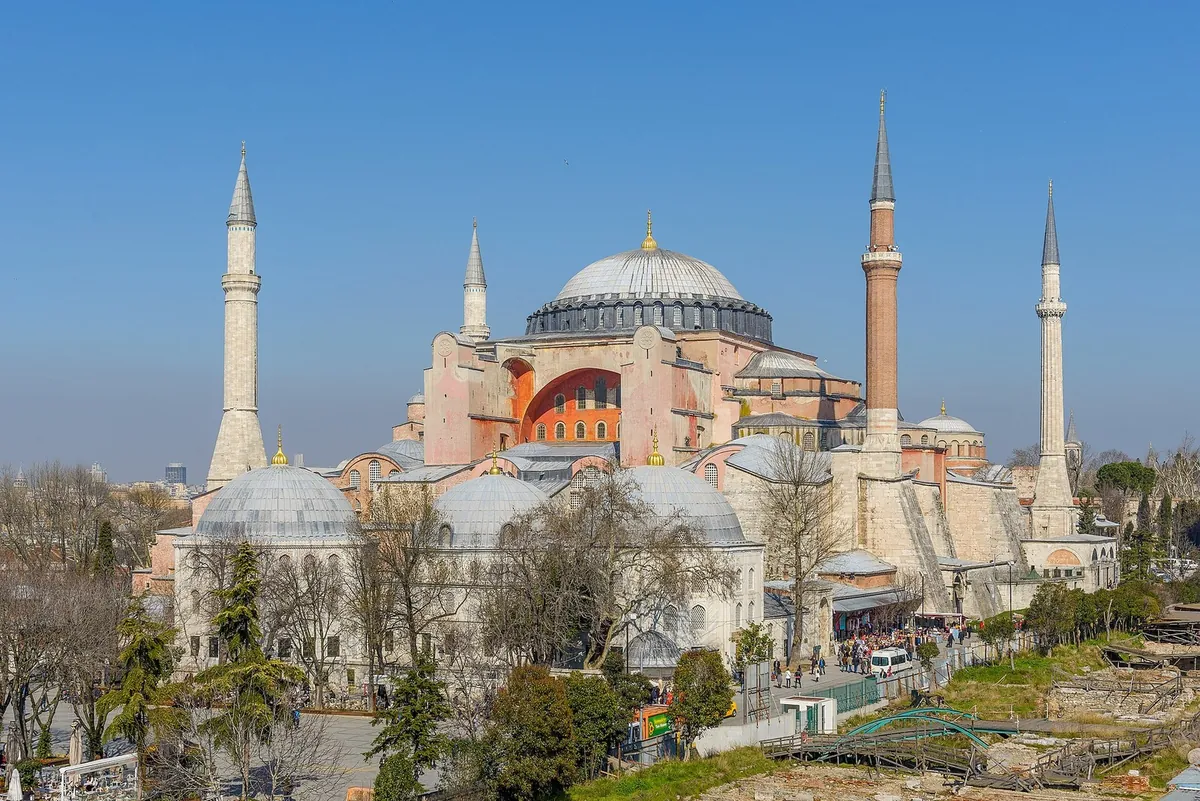
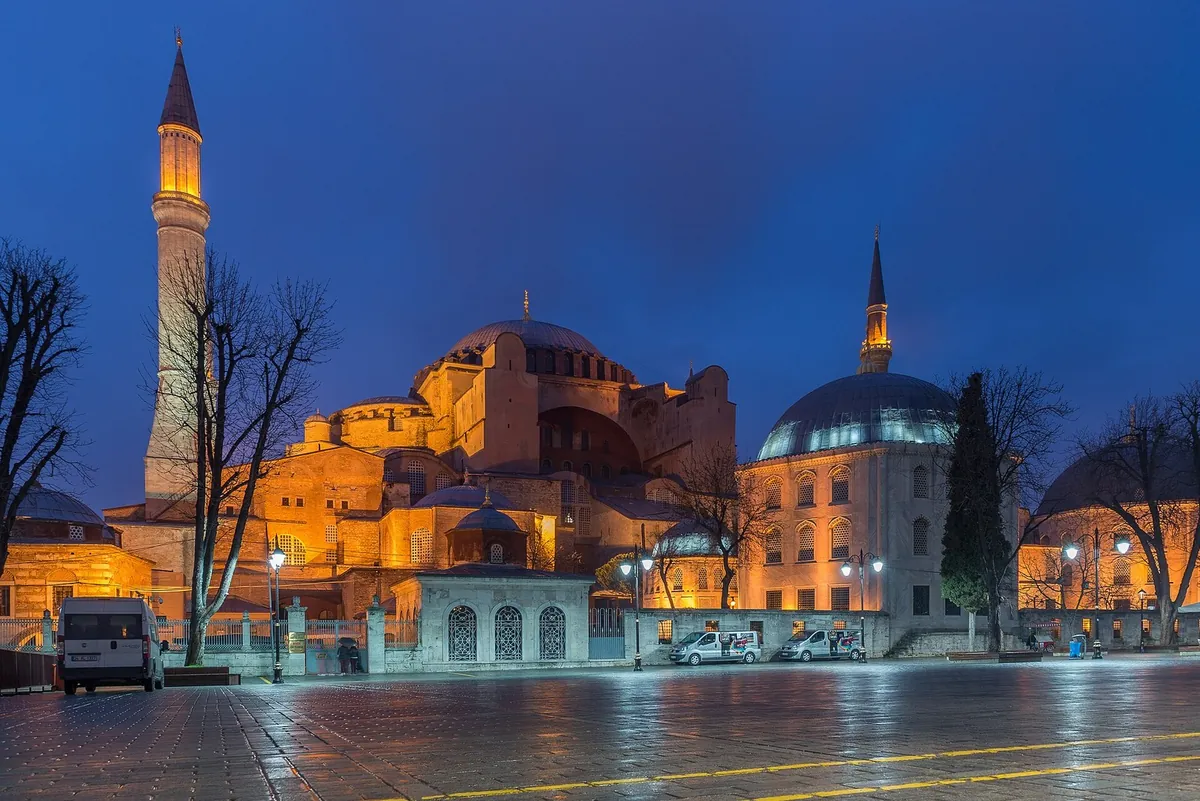
Hagia Sophia is the city's main symbol: once a cathedral, later a mosque. Foreign visitors pay to enter and go up to the upper gallery with its Byzantine mosaics. Opposite is the Blue Mosque (Sultanahmet Mosque): entry is free, but tourists aren't let in during prayer, women need a headscarf, and shoulders and knees must be covered.
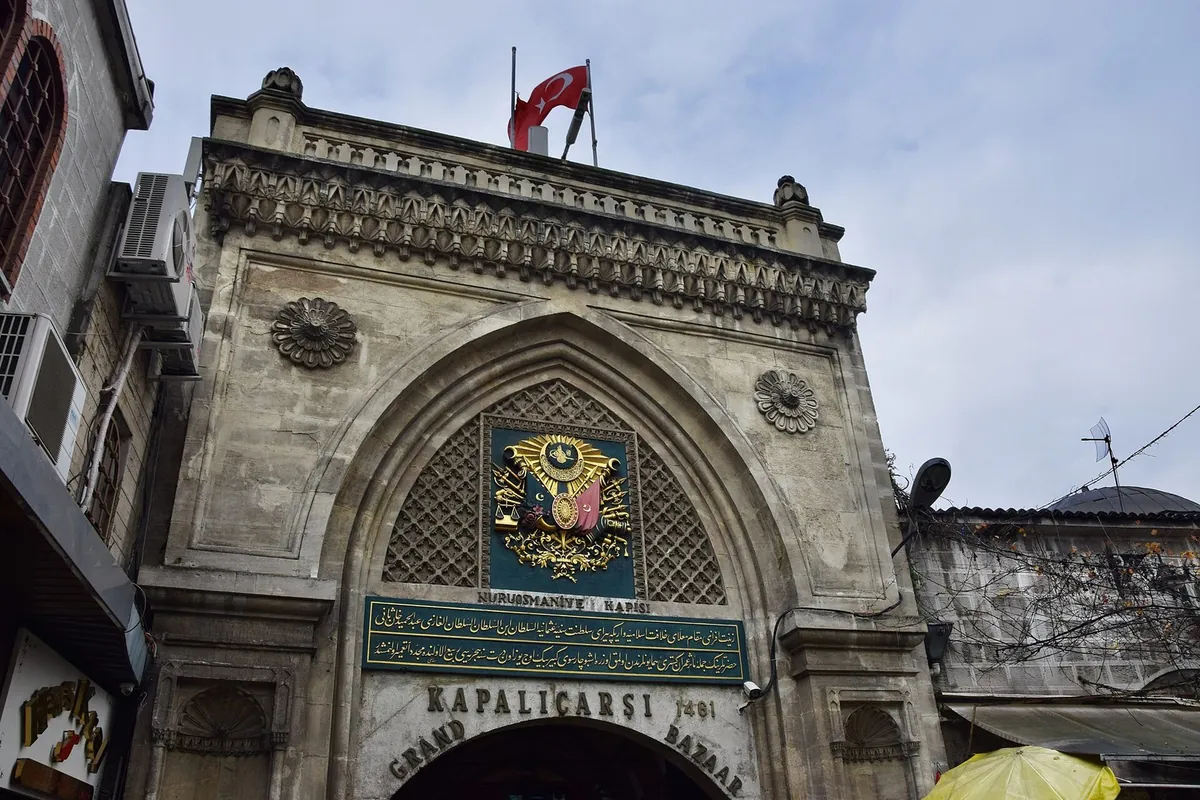
Next door are the Basilica Cistern, an underground reservoir with columns and Medusa heads, and Topkapı Palace, the sultans' residence overlooking the Bosphorus (allow at least two or three hours). In the evening, the Grand Bazaar, one of the oldest covered markets in the world; it's closed on Sundays.
Day 2: Eminönü, Galata and the Bosphorus
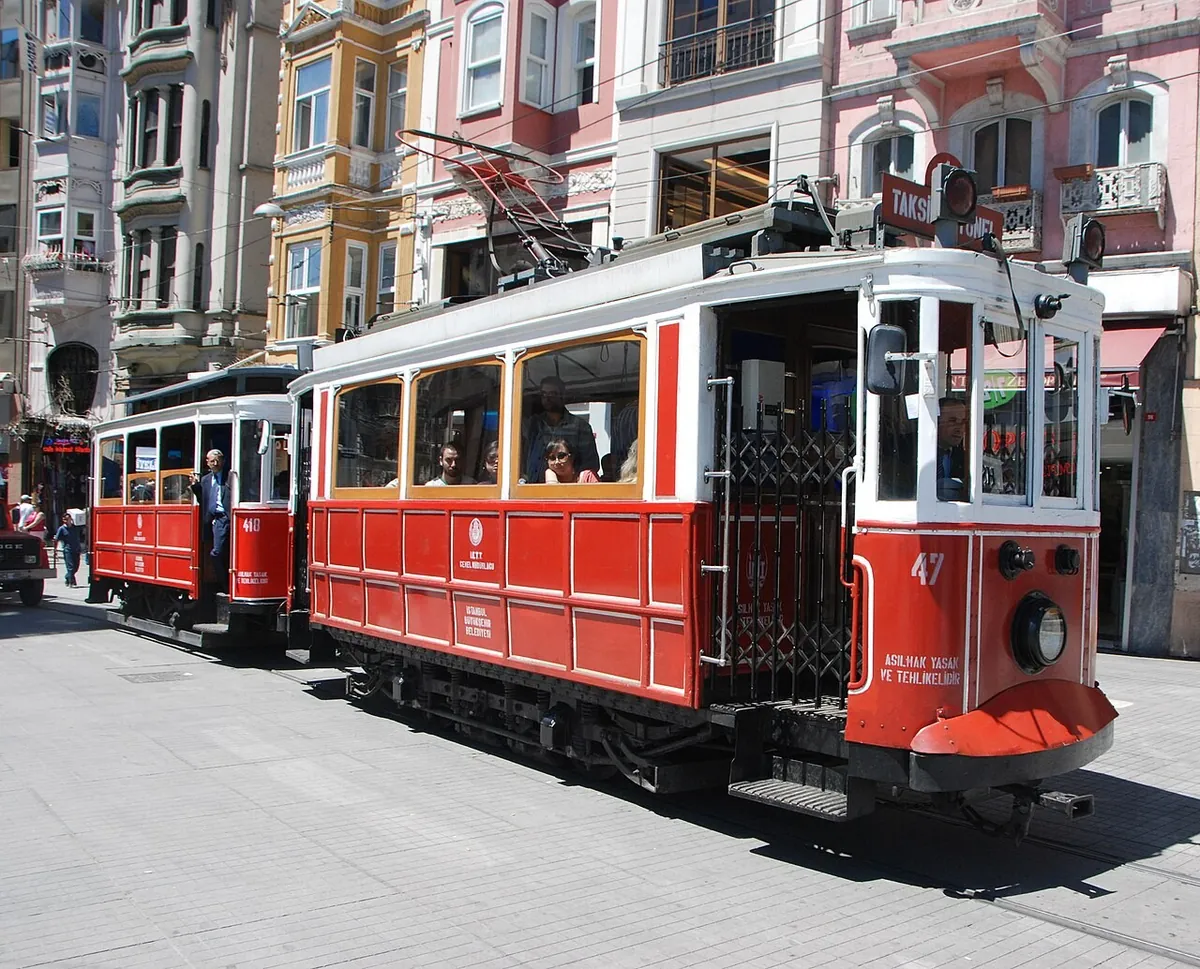
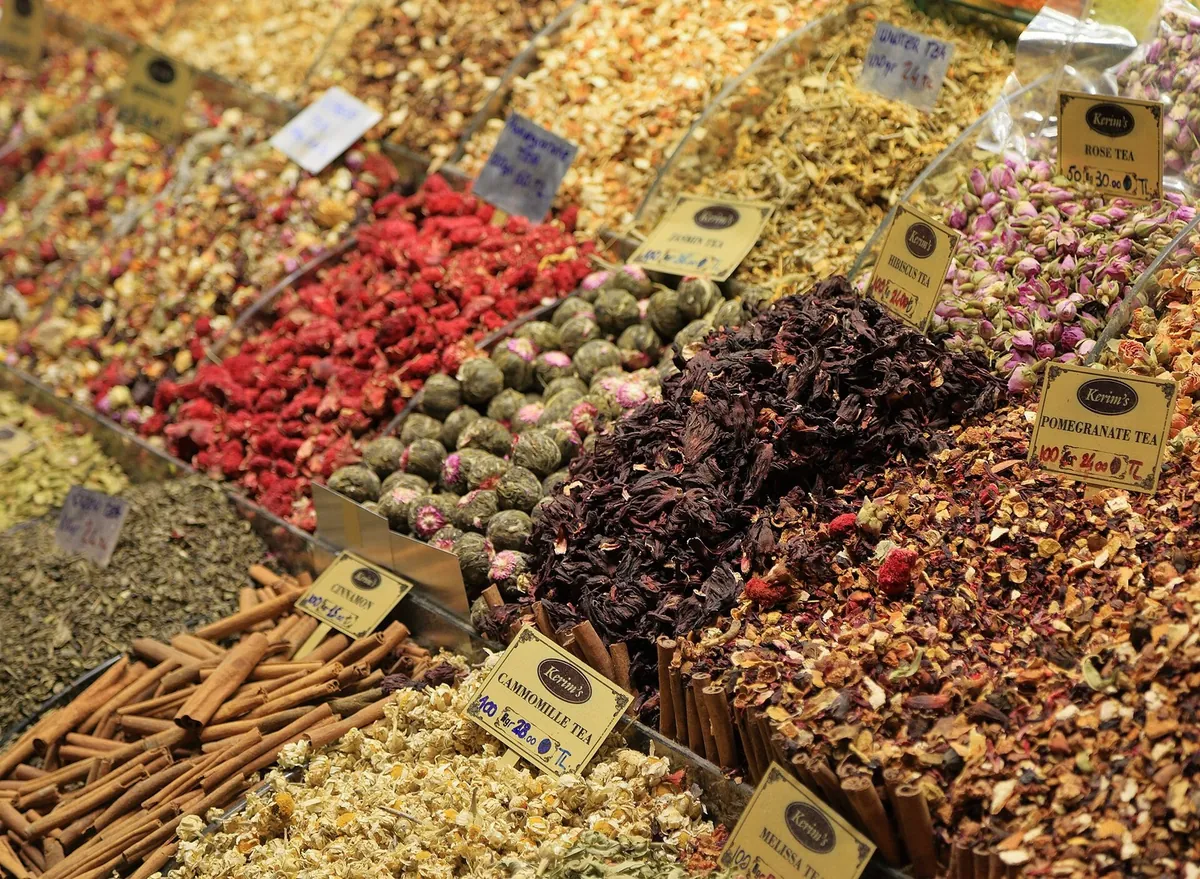
Start at the Spice (Egyptian) Bazaar in Eminönü: spices, Turkish delight, tea. From there walk across the Galata Bridge, where people fish right off the railings, to the Galata Tower. Then uphill to İstiklal Avenue with its nostalgic red tram, and on to Taksim Square.
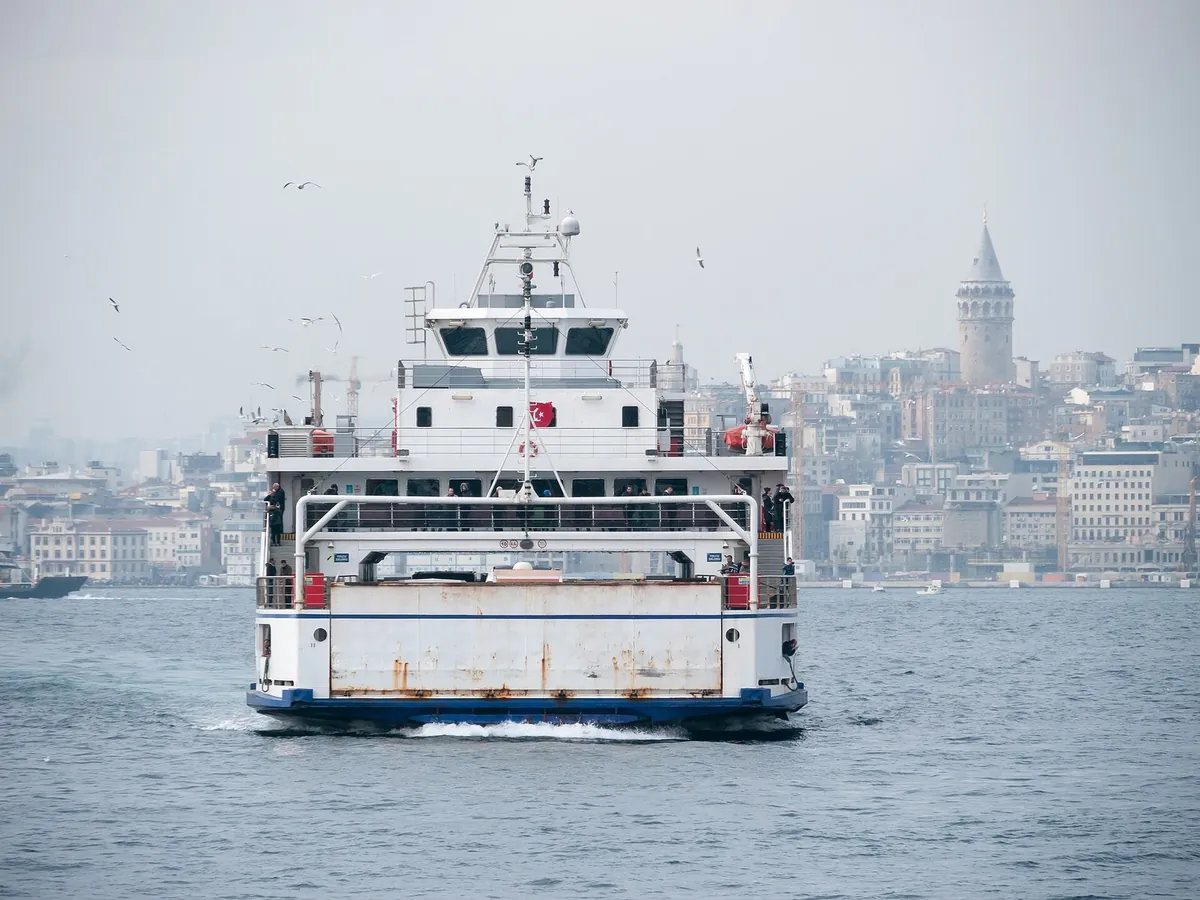
The best way to see the Bosphorus is by ferry. Regular city ferries from Eminönü, Karaköy or Kabataş cost the same as a metro ride and are paid with the same İstanbulkart; there are also long sightseeing cruises up the Bosphorus to the Black Sea.
Day 3: the Asian side or the Princes' Islands
The ferry to Kadıköy takes about 20 minutes. There you'll find a market with fish, spices and coffee shops, and next door the Moda district with its waterfront. In Üsküdar people stroll along the shore looking out at the Maiden's Tower on its islet in the strait, especially lovely at sunset.
The alternative is a day on the Princes' Islands: on the largest, Büyükada, there are no private cars, so people walk, cycle or take electric carts. Ferries leave from Kabataş and Eminönü.
Transport and İstanbulkart
Metro, trams, buses, funiculars and ferries are all paid with the İstanbulkart. It's sold and topped up at machines in stations, and several people can pay with one card. Moovit or Google Maps are handy for routes. Tram T1 links Sultanahmet, Eminönü, Karaköy and Kabataş and is the main “tourist” line.
What to try
- Balık ekmek: a fried fish sandwich by the Galata Bridge in Eminönü.
- Simit: a sesame bread ring for breakfast, sold on every corner.
- Kumpir: a loaded baked potato in Ortaköy by the Bosphorus Bridge.
- Baklava: people go to Karaköy for it, to the famous Karaköy Güllüoğlu.
- Turkish breakfast with a dozen little dishes, in any café in the morning.
Where and what to eat, with prices: “Where to eat in Istanbul: 26 tried-and-tested places by district”.
When to go
The most comfortable months are April–May and September–October: warm but not hot. Summer is hot and crowded, with longer queues at the main sights. Winter is cool and rainy, but there are far fewer tourists and accommodation is cheaper.
What to book ahead
- Bosphorus cruise: daytime or at sunset.
- Topkapı Palace and Hagia Sophia with a guide and no queue.
- Istanbul Tourist Pass and other tickets on Klook.
Links to 12Go, GetYourGuide and Klook are partner links: the price for you is the same, and a small commission helps us run this blog.
Internet in Istanbul
Hotels and cafés have Wi-Fi, but for maps, taxis, transport and translation on the street you need mobile data. Turkey isn't covered by EU roaming, so install a travel eSIM at home: Turkey starts at $2.99, 5 GB for 30 days is $7.49, a week of unlimited is $14.99. Which apps you'll need: “Turkey travel apps: BiTaksi, Uber, transport, maps, translation”.
FAQ
How many days do you need for Istanbul?
Three days to see the highlights without rushing; five to add the Princes' Islands, the Bosphorus and the quieter districts.
How do I get from Istanbul Airport to Sultanahmet?
By Havaist bus (24/7) or the M11 metro with a change to the M2, about an hour to an hour and a half. For a taxi, use BiTaksi or Uber.
Do you have to pay to enter Hagia Sophia?
Foreign visitors do; the Blue Mosque is free but closed to tourists during prayer.
How do I pay for transport in Istanbul?
With an İstanbulkart, valid on the metro, trams, buses and ferries.
Does EU roaming work in Istanbul?
No, Turkey isn't in the EU, so EU roam-like-at-home doesn't apply. Your options: “eSIM for Turkey: which plan to choose”.
I got tired of overpaying for SIM cards that didn't work and of searching for where to go next. So I built this site: travel guides and an eSIM that just works.

Need data on your trip?
An eSIM for 198 countries in a minute — no roaming, no paperwork.
Pick a countryPopular destinations

More articles
What to do after landing in Hurghada: the $30 visa in 2026 and where to buy it, taxi prices to your hotel, Uber, Careem or inDrive, money, tipping and common scams.
5 min read · Read →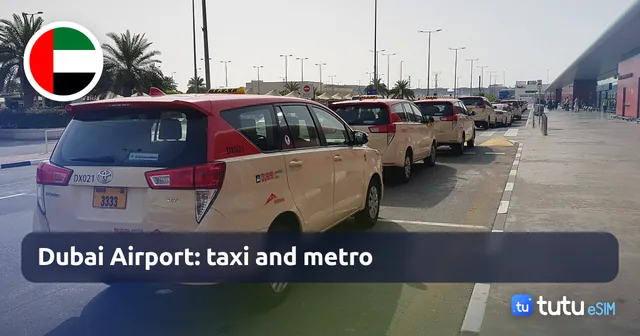
Getting from Dubai Airport (DXB) in 2026: taxis from AED 25, the metro from Terminals 1 and 3, the Nol card, Uber and Careem, Salik, visa rules and what to know about data and WhatsApp calls.
4 min read · Read →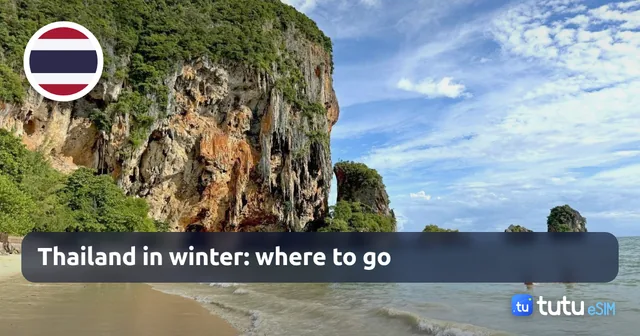
Where to go in Thailand from November to March: Phuket, Krabi, the Trang islands and Lipe, Samui, Chiang Mai. Weather by month, the 30-day visa exemption from 15 September 2026, TDAC, money, and our data test on Ko Muk.
4 min read · Read →
A full passenger guide: what to do at the airport, when you are owed €250–600 under EU261, the rules in Turkey, Thailand, the UAE and the US, what the 2026 EU261 reform changes, how to claim yourself and whether paying AirHelp or Compensair 30–35% is worth it.
12 min read · Read →
A big guide to Thailand's islands: Phuket, Phi Phi, Koh Lanta, the Trang islands, Koh Lipe, Koh Samui, Koh Phangan and Koh Tao. Ferry and speedboat prices in baht, when boats stop running, where to buy tickets, monkeys and jellyfish, scams, food and mobile data. With our own experience on Koh Muk.
10 min read · Read →
Getting from Istanbul and Antalya airports: 2026 taxi tariff, BiTaksi, Uber or iTaksi (no Bolt rides), Havaist and the metro, card or cash, bridge tolls and common scams.
5 min read · Read →